
Telehealth Physical Therapy for Hip Pain
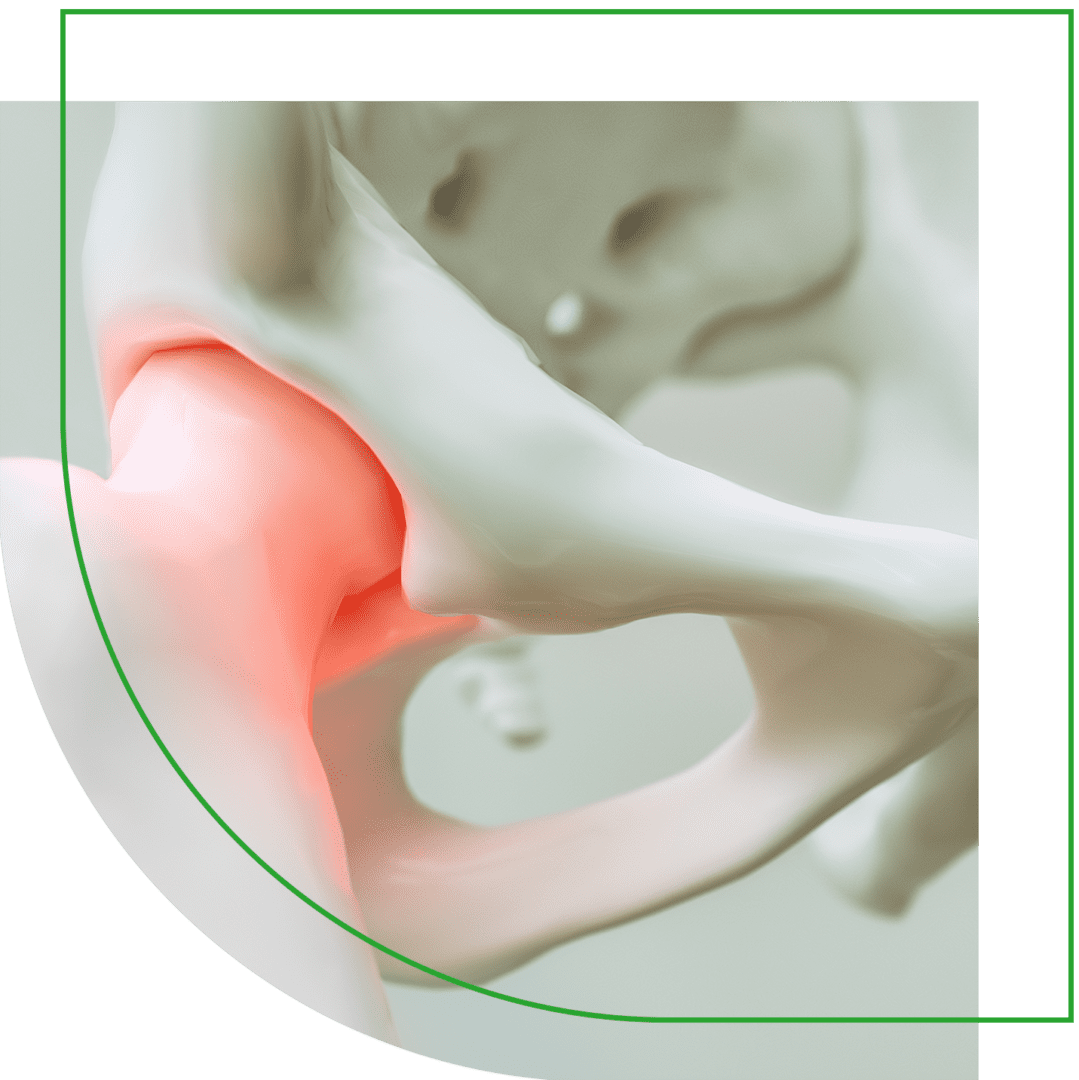
Your Hip Pain is Treatable!
Our telehealth physical therapy for hip pain program teaches you how to treat the foundation of your hip pain from the comfort of home on your schedule at your pace.
Hip pain conditions are often associated with joint misalignments in the low back causing faulty loading through the hips, knees and/or ankles. These misalignments put you at risk for IT band syndrome, hip impingement and hip bursitis. Your sitting and standing posture are likely driving these misalignments.
We are experts in teaching you the exercises, lifestyle modifications and joint clearing techniques required to restore the healthy loading through your hips required for long-term injury management and prevention.
Visit our Pricing page for cost projections.
Your Telehealth Physical Therapy Workout Schedule
Level 1: Stand and walk from Neutral Spine Alignment.
Week 1: Watch Level 1 Workout (password protected)
- Complete Tele-PT Workout #1
- Complete Tele-PT Workout #2
Level 2: Get in/out of chair and bed without faulty loading.
Week 2: Watch Level 2 Workout (password protected)
- Complete Tele-PT Workout #3
- Complete Tele-PT Workout #4
Week 3:
- Complete Tele-PT Workout #5
- Complete Tele-PT Workout #6
Level 3: Pick object off floor and lift overhead without faulty loading.
Week 4+5: Watch Level 3 Workout (password protected)
- Complete Tele-PT Workout #7
- Complete Tele-PT Workout #8
Schedule Your Next Telehealth Coaching Session
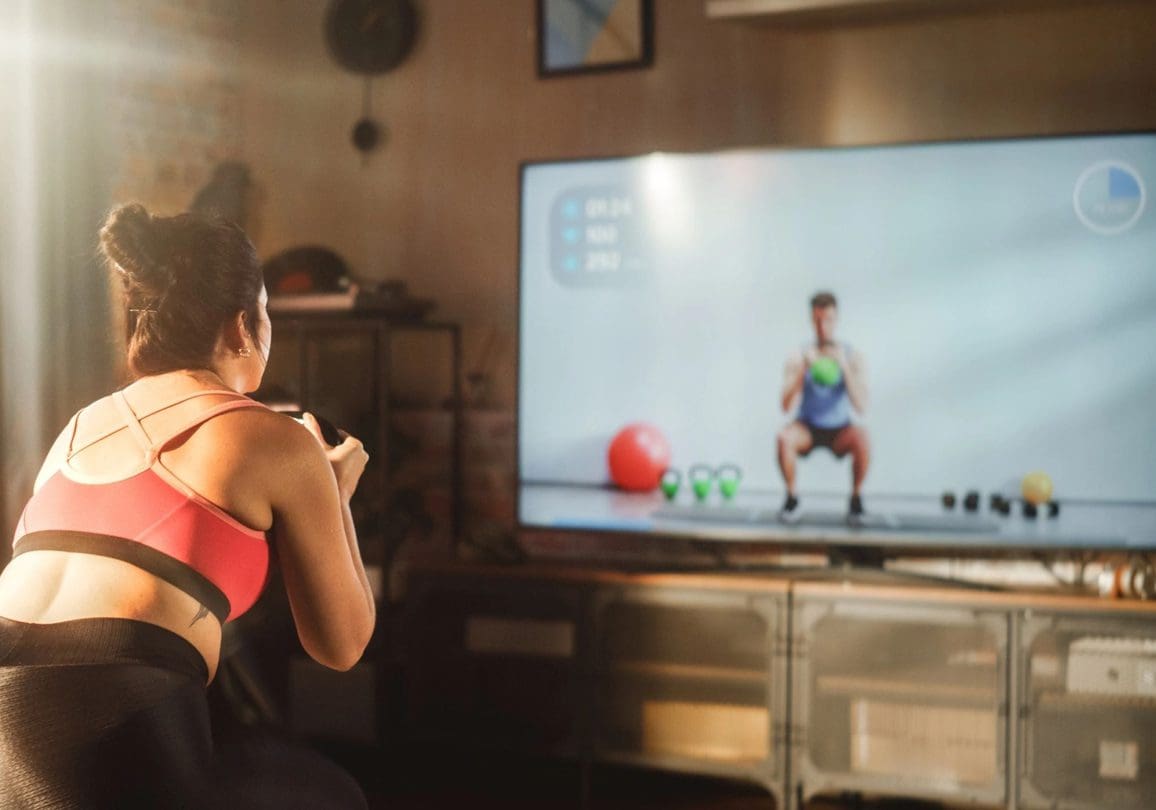
You will achieve the following 6 physical wellness milestones.

Restore your ability to get into neutral spine alignment (week 1).

Condition yourself to sit, stand and walk in a healthy posture (week 2).

Organize your workspace to allow you to function from a healthy posture for 50% of your workday (week 3).

Condition yourself to perform home and work tasks from neutral spine alignment (week 4).

Perform fitness program without faulty loading in the neck and low back (week 6).

Perform sport and recreation activities from neutral spine alignment. (week 8).
FAQ
Yes, collapsed upper back posture results in a bias to one side of the pelvis in sitting. Once we start to bias to one site bone (ischial tuberosity) we will always prefer that side over the other. Over time this bias results in hypermobile SI joints on the side opposite the bias, this can lead to a collapsed pelvis on the side of the hypermobility. Especially if you are a leg crosser. This slight joint misalignments in the pelvis compresses the hip socket which can negatively affect the loading of the hip and knee joint. The effects of these misalignments are magnified when you stand up and walk. Untreated this can result in IT band syndrome (runner's knee) and hip bursitis. They also put you at risk for a accelerate degeneration of the hip joint.
That depends on the source of your hip pain and if you have postural contributions to your hip pain. You cannot go wrong with posture correction exercises to start you on the right path to treating the foundation of your hip pain. The goal of your posture correction exercises should not be limited to just improving your ability to get into neutral spine alignment but rather condition you to function from neutral spine alignment. When you can function with your upper back stacked and your lower abdominals are conditioned to keep your pelvis in its neutral position you will have symmetrical loading through the hips and knees. Then see a rehabilitation specialist for more specific exercises and/or stretches that may be appropriate to condition your hip for your individual lifestyle. Or complete the Healthy Posture System.
That depends on the source of your hip pain and if you have postural contributions to your hip pain. Trying to treat hip pain with stretches alone will often not relieve your hip pain long term. The reason being, the tight muscles around your hips are being told to be tight by the nervous system in response to faulty alignment and/or faulty loading patterns through the hips and low back. It is advisable to start with a posture restoration program if you have collapsed upper back posture or any faulty loading patterns in your hips or knees. The goal of your posture correction exercises should not be limited to just improving your ability to get into neutral spine alignment but rather condition you to function from neutral spine alignment. When you can function with your upper back stacked and your pelvis in its neutral position you will likely have less knee pain. Completing the Healthy Posture System will restore healthy loading through your low back, hips and knees.
Faulty loading patterns through the hips and knees secondary to collapsed upper back posture and collapsed pelvis posture is a common source of hip pain. Telehealth physical therapy with a medical practitioner experienced in posture correction and hip pain rehabilitation can be highly effective within a model that pairs video instruction with weekly online coaching sessions to confirm healthy movement principles are being applied to replace faulty loading patterns with symmetrical loading.
There are upper thoracic spine mobility exercises you can do with a foam roller to improve your ability to function with a stacked upper back posture and neutral spine conditioning exercise that condition you to function with your pelvis in its neutral position. This restores healthy loading through the lumbar spine, hips and knees. The goal of your posture correction exercises should not be limited to just improving your ability to get into neutral spine alignment but rather condition you to function from neutral spine alignment. When you can function with your upper back stacked and your pelvis in neutral position you will likely have less hip pain. Hip specific strengthening exercises can then be added to restore healthy loading through the hips and knees during daily activities, fitness, and sport. Completing the Healthy Posture System will restore healthy loading through your low back, hips and knees
Yes, the Healthy Posture System can help you treat the foundation of your hip pain if you have faulty loading patterns in your low back, hips or knees. The Healthy Posture System has 12 levels of progression, each with lifestyle modifications that ensure a complete transformation of your posture. It does not just restore your ability to get into healthy posture (neutral spine alignment), it conditions you to perform your daily tasks without losing healthy posture. Completing the Healthy Posture System will restore healthy loading through your low back, hips and knees. Physical Therapy on Demand is the exclusive reseller of the Healthy Posture System video library.
No, not if you have an active hip pain injury that limits your ability to perform daily functional tasks. You will be referred to Physical Therapy on Demand for a Tele-PT Posture Screen to confirm whether the Healthy Posture System is appropriate for you and which of the 12 levels of progression is the most appropriate starting point for your needs. The Healthy Posture System video library is password protected. Passwords are distributed during online coaching sessions and only when you have demonstrated the ability to perform all the exercises of the next workout in progression without losing neutral spine alignment. Lifestyle modification must also be reached in order to progress to the next level of the Healthy Hip Program within the Healthy Posture System. Anyone can complete the Healthy Posture System that does not have an active pain condition self-guided by going to [www.ptondemand.comand](http://www.ptondemand.comand/)purchasing a DIY Basic subscription. You will have to upgrade to a Prevention Plus subscription to access level 4 video content to ensure a safe transition back to functional fitness without faulty loading patterns in the spine, hips and knees.
How you sit can play a huge role in hip pain, especially if you are a "leg crosser". If you sit with a collapsed upper back, you likely have a rotated pelvis. Once we start to bias to one site bone (ischial tuberosity) we will always prefer that side over the other. Over time this bias results in hypermobile SI joints on the side opposite the bias. The effects of these misalignments are magnified when you stand up and walk. If the pelvis is collapsed on one side, the hip has to rotate out of its neutral position to get out of the way. This can cause an impingement at the hip and/or faulty tracking of the patellae (kneecap). The Healthy Posture System will guide you through 12 levels of progression, each with lifestyle modification milestones to address all aspects of your daily life. Your progression through the Healthy Posture System is based on both demonstrated abilities and visual evidence of lifestyle modification such as raising your monitor, or the purchase of a wedge pillow or foam roller to support upright sitting posture. Completing the Healthy Posture System will restore healthy loading through your low back, hips and knees.